Securing your mobile app isn't just a technical necessity; it's a business imperative. With mobile devices playing a core role in how users interact and transact, a security breach can lead to loss of trust and revenue. Business owners who understand the importance of securing their mobile apps can protect their brand and users' data effectively.
Threats to mobile apps are on the rise, and they can affect any business regardless of size or industry. From financial apps to social platforms, every application is a target for potential security threats. Ensuring robust mobile app security requires a comprehensive security audit that identifies and mitigates vulnerabilities. But what tests should developers focus on to ensure maximum protection?

Why Mobile App Security Matters for Businesses

Mobile apps act as the digital touchpoint between businesses and their customers. Protecting this interface ensures not only secure transactions but also business reputation. A data breach in your app can result in substantial financial losses and damaged customer relationships. A well-secured app assures users that their information is safe.
Investing in security measures for your mobile app is no longer optional. It's essential. Clients expect data protection, and regulations demand compliance. Businesses must prioritize security to comply with legal requirements and maintain user trust. An effective security audit can identify potential vulnerabilities before they harm your business.
Common Security Threats in Mobile Apps
Mobile apps face numerous attacks such as malware, phishing, and data theft. These threats can compromise sensitive user data and expose business operations. Malware, for instance, can infiltrate apps and steal confidential information without the user's knowledge. Understanding these threats is the first step in building more secure apps.
Phishing attacks trick users into divulging personal information by mimicking legitimate applications. Meanwhile, insecure data storage can expose sensitive data to unauthorized access. By recognizing these vulnerabilities, businesses can create focused strategies to combat potential security issues.
- Malware: Disguised software that steals information.
- Phishing: Tricks users into revealing data.
- Data Theft: Unauthorized access to sensitive information.
- Insecure Storage: Unprotected data storage methods.
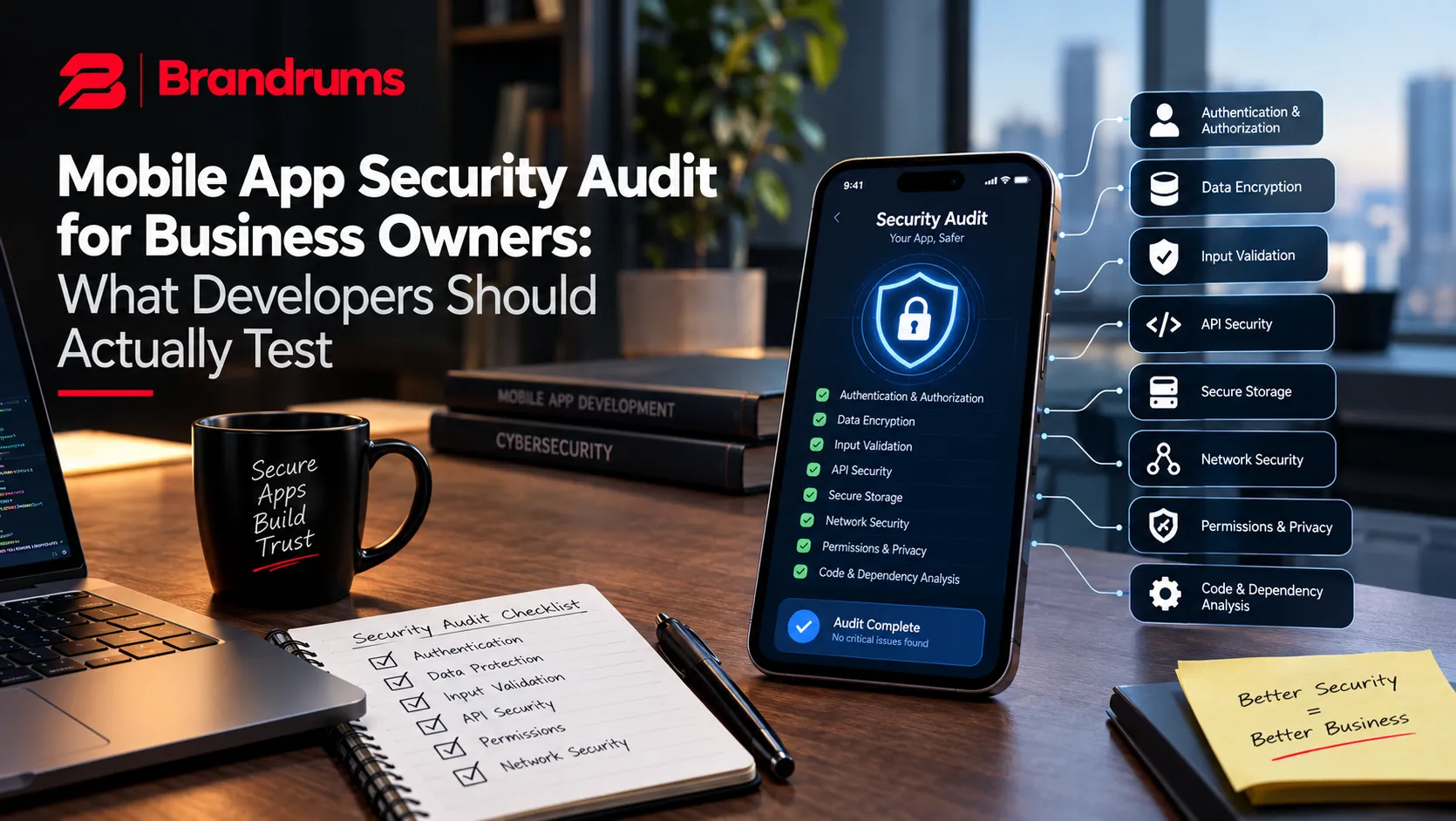
Essential Tests for a Comprehensive Security Audit
Conducting a robust security audit requires a focus on key areas like authentication, data encryption, and session management. Authentication testing ensures only authorized users can access the application. Encryption testing verifies that sensitive data remains secure during storage and transmission. These tests are crucial for app security.
Other crucial tests include vulnerability scanning, penetration testing, and security code reviews. Regular testing keeps the system resilient against evolving threats. Below are some of the necessary tests that form a comprehensive security audit.
| Test Type | Purpose | Key Benefit |
|---|---|---|
| Authentication | Verify user identity | Prevents unauthorized access |
| Encryption | Secure data | Protects sensitive information |
| Vulnerability Scan | Identify weaknesses | Mitigates potential threats |
| Penetration Testing | Simulate attacks | Enhances app resilience |
| Security Code Review | Analyze code | Finds coding vulnerabilities |
Tools and Frameworks for Security Testing
Selecting the right tools can simplify security testing efforts. OWASP ZAP and Burp Suite are popular choices for web application security. These tools provide a platform for identifying vulnerabilities in the app's infrastructure. They support various testing methodologies, making them versatile and essential for any developer's toolkit.
Other tools like MobSF and Fortify Static Code Analyzer focus on static analysis. Fortify is known for its comprehensive vulnerability detection. Employing a mix of these tools allows developers to cover a wide range of security aspects effectively.
- OWASP ZAP: Open-source web testing tool.
- Burp Suite: Web vulnerability scanner.
- MobSF: Mobile Security Framework.
- Fortify: Static code analysis tool.
Static vs Dynamic Analysis: Pros and Cons
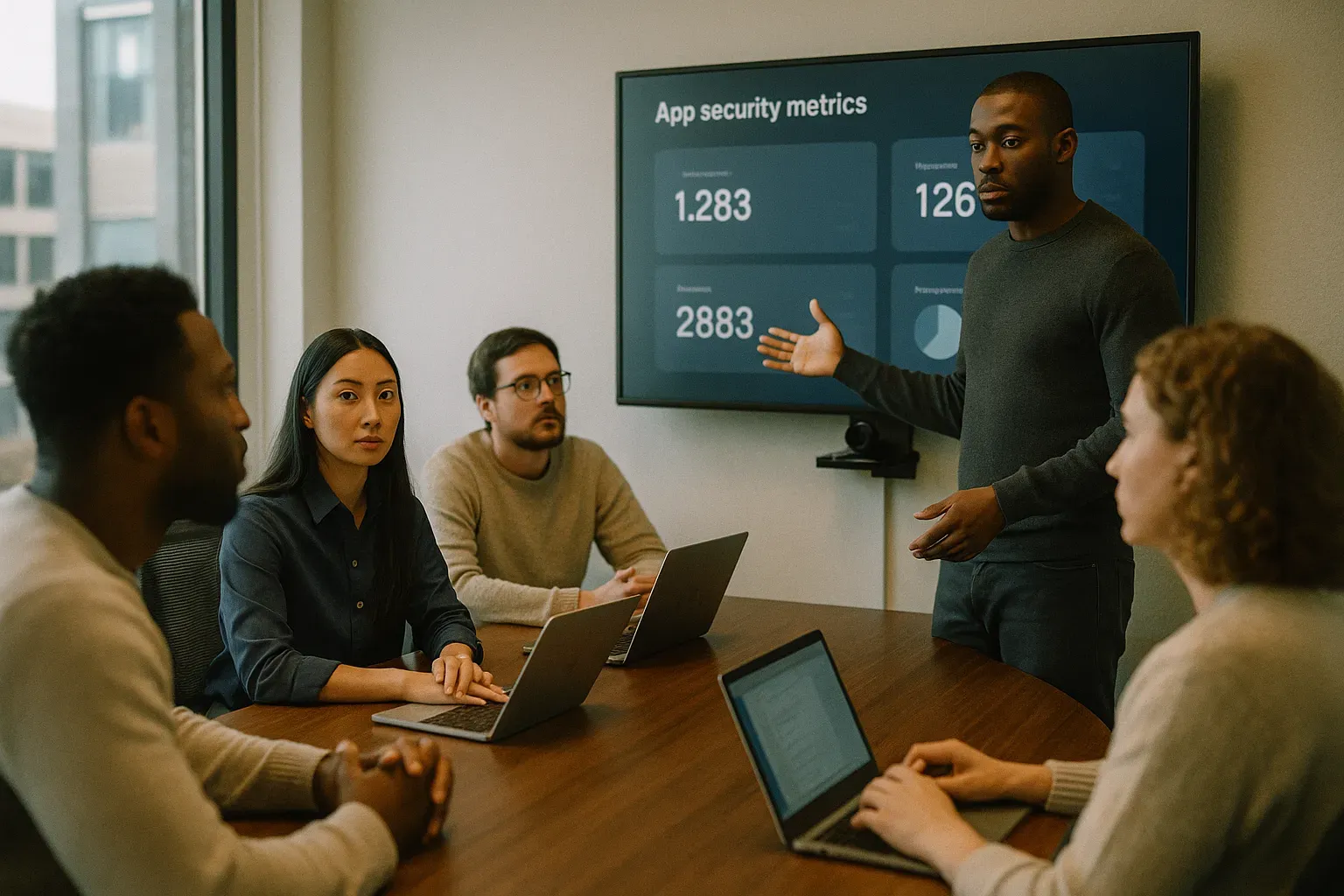
Static analysis examines the code without executing it. It's effective for catching potential vulnerabilities early in the development cycle. However, it might miss runtime issues that only appear during execution. Dynamic analysis tests the running app to uncover these runtime vulnerabilities. It can catch issues missed in static analysis.
The choice between static and dynamic analysis depends on your specific needs. Static analysis is generally quicker, while dynamic analysis provides a more comprehensive real-world understanding. Combining both can yield the most thorough results, ensuring no stone is left unturned in mobile app security testing.
OWASP Mobile Security Project
The OWASP Mobile Security Project is a comprehensive resource for developers seeking to secure their apps. It provides guidelines, checklists, and tools to address common vulnerabilities. The project is considered a gold standard in the industry, aiding developers in implementing best practices for mobile app security.
OWASP's project emphasizes the importance of understanding the mobile threat landscape. By employing its guidelines, developers can ensure they have a structured approach to security. Whether you're new to mobile security or experienced, OWASP offers invaluable insights and resources.
Testing for Data Storage Security
Data storage security is a critical aspect of app security, ensuring that sensitive information is not exposed. Developers must assess how data is stored, looking for vulnerabilities such as hard-coded secrets or unsecured databases. Ensuring encryption of stored data adds a layer of protection against unauthorized access.
Testing should extend to all storage mechanisms used by the app, including local storage and cloud storage. Regularly updating encryption protocols and conducting security audits for data storage will strengthen your app's defense. Here's what to check during a data storage security test.
Encryption: Ensure data is encrypted at rest.
Access Controls: Verify appropriate permissions are set.
Audit Logs: Monitor data access and modifications.
Regular Updates: Keep encryption protocols current.
Network Security Tests for Mobile Apps
Network security is a critical aspect of mobile app protection. To ensure security, developers should conduct various tests, such as network packet analysis and SSL certificate validation. These tests help identify vulnerabilities like unencrypted data transmission and man-in-the-middle attacks. Wireshark and Burp Suite are popular tools for capturing and analyzing network traffic.
Testing should focus on the app's communication protocols. Verify all data is encrypted during transit by using secure protocols like HTTPS and TLS. Additionally, ensure proper authentication and authorization mechanisms are in place for API requests. Network security tests form a foundational layer in protecting sensitive user data from being intercepted.
Ensuring Secure Authentication and Authorization
Authentication and authorization are crucial for mobile app security. Implementing multi-factor authentication (MFA) and using OAuth 2.0 standards can effectively secure these processes. Evaluate password policies, ensuring they require strong and unique passwords. Regularly update tokens and encrypt sensitive authentication data.
Authorization should also follow the principle of least privilege, granting users access only to necessary resources. Role-based access control (RBAC) is an effective strategy in managing authorization. Reviewing these practices helps bolster the app's overall security framework.
| Method | Benefit | Implementation |
|---|---|---|
| MFA | Enhances security | Apps like Authy |
| OAuth 2.0 | Secure token systems | Widely adopted |
| RBAC | Managed access control | Integrated in frameworks |
Reviewing Code for Security Vulnerabilities
Code review is an essential practice in identifying security vulnerabilities. Manual code reviews and automated tools should be part of the process. Tools like SonarQube help detect issues such as hardcoded credentials and unvalidated inputs. This proactive approach addresses potential weaknesses before they are exploited.
Focusing on areas like input validation, error handling, and proper use of cryptographic functions is critical. Security-centric coding standards must guide the development process. Regularly updating and refactoring code based on these standards ensures a robust security posture.
- Regular static code analysis
- Manual peer-reviewed sessions
- Compliance with industry standards
The Role of Regular Security Audits
Regular security audits are fundamental to maintaining the security of a mobile app. These audits can uncover new vulnerabilities that emerge as apps evolve. Frequent assessments help ensure compliance with industry standards and regulations, avoiding potential legal complications.
Audits should be scheduled periodically and after significant updates. This proactive approach helps identify and address security issues promptly. Engaging third-party experts provides an unbiased assessment of the application’s security framework.
Case Study: Security Audit for a Fintech App
For a fintech app handling sensitive financial data, a comprehensive security audit was conducted. The process involved static and dynamic analysis, assessing authentication systems, and evaluating network security. Automated tools like Fortify were employed alongside manual code reviews by experts.
The audit identified vulnerabilities in the data encryption process, which were promptly addressed. Strengthening the encryption protocols reduced potential risks. The case underscores the necessity of specialized audits tailored to the app's industry requirements.
- Fortify used for static analysis
- Manual reviews enhanced detection
- Targeted encryption improvements
How Brandrums Conducts Security Audits
Brandrums takes a structured approach to mobile app security audits. We begin with a discovery phase, identifying unique needs and potential threats specific to the application. Our audits combine automated testing tools and manual reviews to ensure thorough coverage.
Our methodology is flexible, adapting to different app types and risk profiles. We provide detailed reports with actionable insights, helping clients strengthen their security posture. Our approach ensures that vulnerabilities are not only identified but effectively addressed.
| Phase | Duration | Techniques |
|---|---|---|
| Discovery | 1 week | Scoping and interviews |
| Automated Tests | 2 weeks | Tools like OWASP ZAP |
| Manual Review | 1 week | Expert analysis |
Cost of Security Audits: What Business Owners Should Expect
Costs for mobile app security audits can vary based on complexity and size. Market rates typically range from $5,000 to $30,000 for comprehensive audits, which cover static and dynamic testing. Factors influencing the price include app features, size, and the depth of testing required. Larger apps with numerous integrations might drive the cost towards the higher end of the spectrum.
For business owners, understanding these costs is crucial for budgeting and selecting suitable auditing services. Investing in security audits can prevent costly breaches and maintain customer trust. Balance cost with thoroughness to find the most effective solution.
Typical US agency rates for comprehensive audits fall within this range, ensuring that businesses can benchmark their options confidently.
Frequently Asked Questions
How much does a mobile app security audit typically cost?
A mobile app security audit can range from $5,000 to $20,000, depending on the complexity and size of the app. Factors influencing cost include the number of platforms (iOS, Android) and depth of testing required. For specialized apps, like those in fintech, costs may be higher due to additional compliance requirements.
Is it worth hiring a specialized agency for a mobile app security audit?
Yes, hiring a specialized agency like Brandrums can provide comprehensive expertise in security testing. Agencies offer experience with industry standards like OWASP, ensuring thorough audits. Although it might be more expensive than freelancers, the depth and quality of security insights are higher, which can save costs in the long run by preventing breaches.
What tools are essential for a mobile app security audit?
Essential tools for a mobile app security audit include ZAP for dynamic analysis, MobSF for static analysis, and tools like Burp Suite for network security testing. These tools help identify and fix security vulnerabilities in code and network interfaces. Additionally, for real-time threat assessment, integrating Firebase or Snyk can enhance monitoring.
Can a mobile app security audit prevent all security breaches?
No, while a security audit significantly reduces risks, it cannot prevent all breaches. Security landscapes evolve rapidly, and new vulnerabilities emerge. Regular audits help keep apps secure by addressing these changes. Continuous monitoring and updates are necessary to adapt to the latest threats and maintain strong security.
Do I need to perform a security audit even if I use a secure app development framework?
Yes, using a secure development framework is a good start, but it doesn't replace the need for a security audit. Frameworks like React Native can have vulnerabilities themselves, or in third-party libraries. A security audit ensures that all app components, including APIs and data storage, meet security standards.
How long does a mobile app security audit take?
A mobile app security audit typically takes one to four weeks, depending on the app’s complexity. Simple apps may require less time, while complex applications with extensive features and integrations take longer. Allowing adequate time for thorough testing helps ensure vulnerabilities are identified and addressed effectively.
Tags
About the Author

Daniel Brooks
Daniel covers web development, artificial intelligence, product design, and the technology decisions that help modern businesses grow.