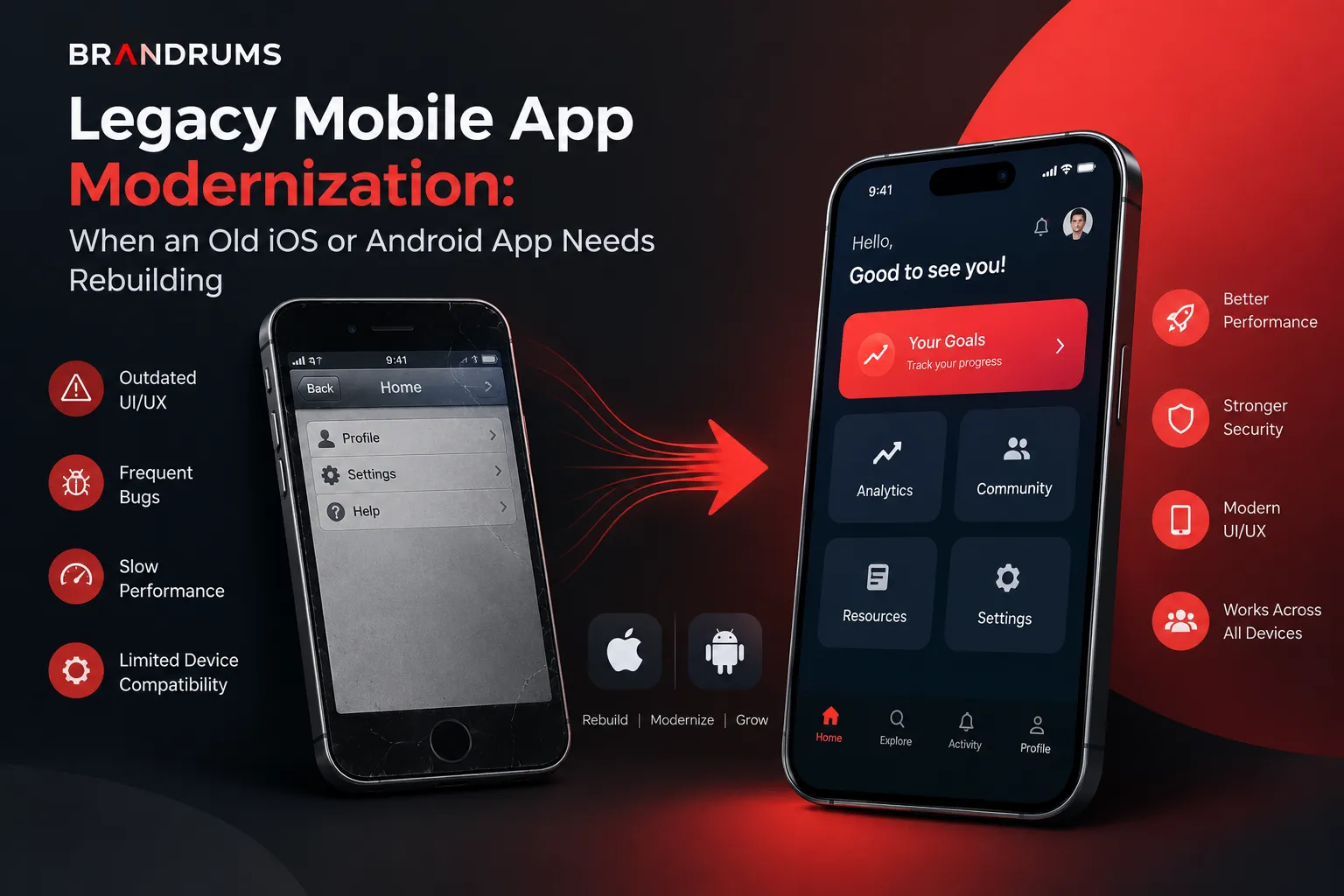
Modernizing a legacy mobile app is a strategic move that can significantly enhance its performance and user experience. Instead of sticking with outdated technology, many companies are now opting to rebuild their apps using modern frameworks like React Native. This not only ensures compatibility with the latest devices and operating systems but also improves maintenance and scalability.
Understanding when to modernize your app is essential. Whether it's declining user engagement, poor performance, or high maintenance costs, the signs that an app is past its prime are often clear. The benefits of rebuilding can be significant: better user experiences, reduced costs over time, and a future-proof product that can grow with your business.

Signs Your Legacy App Needs Modernization

If your app performs slowly or crashes often, it may be time to modernize. Users expect fast load times and reliable performance. A legacy app failing in these areas risks losing its audience. Support for new devices and OS updates can also be a challenge, leading to compatibility issues.
High maintenance costs and difficulty in adding new features signal the need for an overhaul. Legacy systems often have outdated codebases that are hard to maintain. This results in increased expenses and longer development times. Modernizing can streamline processes, making future updates quicker and more cost-effective.
Key Challenges in Legacy Mobile Apps
Legacy apps often face challenges such as security vulnerabilities and poor user interfaces. Older codebases might not comply with current security standards, risking user data. Design-wise, legacy apps can appear outdated, failing to meet modern user expectations for aesthetics and usability.
Integration issues with new technologies and services pose another challenge. As technology evolves, older apps may struggle to connect with new APIs or third-party services. This can limit the app's functionality and ability to provide a seamless user experience.
- Security issues: Legacy apps might not meet modern security standards.
- Outdated design: Older interfaces may not attract or retain users.
- Integration hurdles: Difficulties hooking into new technologies.
Technology Stacks for Modern App Development
Selecting the right technology stack is crucial for rebuilding apps. React Native and Flutter are two popular cross-platform options. These frameworks allow developers to build apps for both iOS and Android with a single codebase, reducing time and cost.
For backend services, AWS and Firebase provide scalable options that integrate seamlessly with modern app architectures. These services include databases, authentication, analytics, and more, enabling robust functionality while maintaining flexibility.
- React Native: Great for cross-platform development with a shared codebase.
- Flutter: Offers expressive UI and high performance.
- AWS: Provides scalable and flexible backend solutions.
- Firebase: Comprehensive set of backend services and easy integration.
Choosing Between Native and Cross-Platform Development
Deciding between native and cross-platform development involves weighing several factors. Native apps (built specifically for iOS or Android) can exploit all device features but require separate codebases. Cross-platform solutions like React Native can reduce costs by using a single codebase.
Consider your target audience and specific app requirements. If your app needs deep native integrations, such as AR, native development might be best. However, for most business apps aiming for a broad audience, cross-platform frameworks provide a time-efficient approach without sacrificing user experience.
| Criteria | Native | Cross-Platform |
|---|---|---|
| Performance | High | Moderate |
| Cost | Higher | Lower |
| Development Time | Longer | Shorter |
| User Reach | Platform-specific | Broader |
Impact on User Experience and Performance

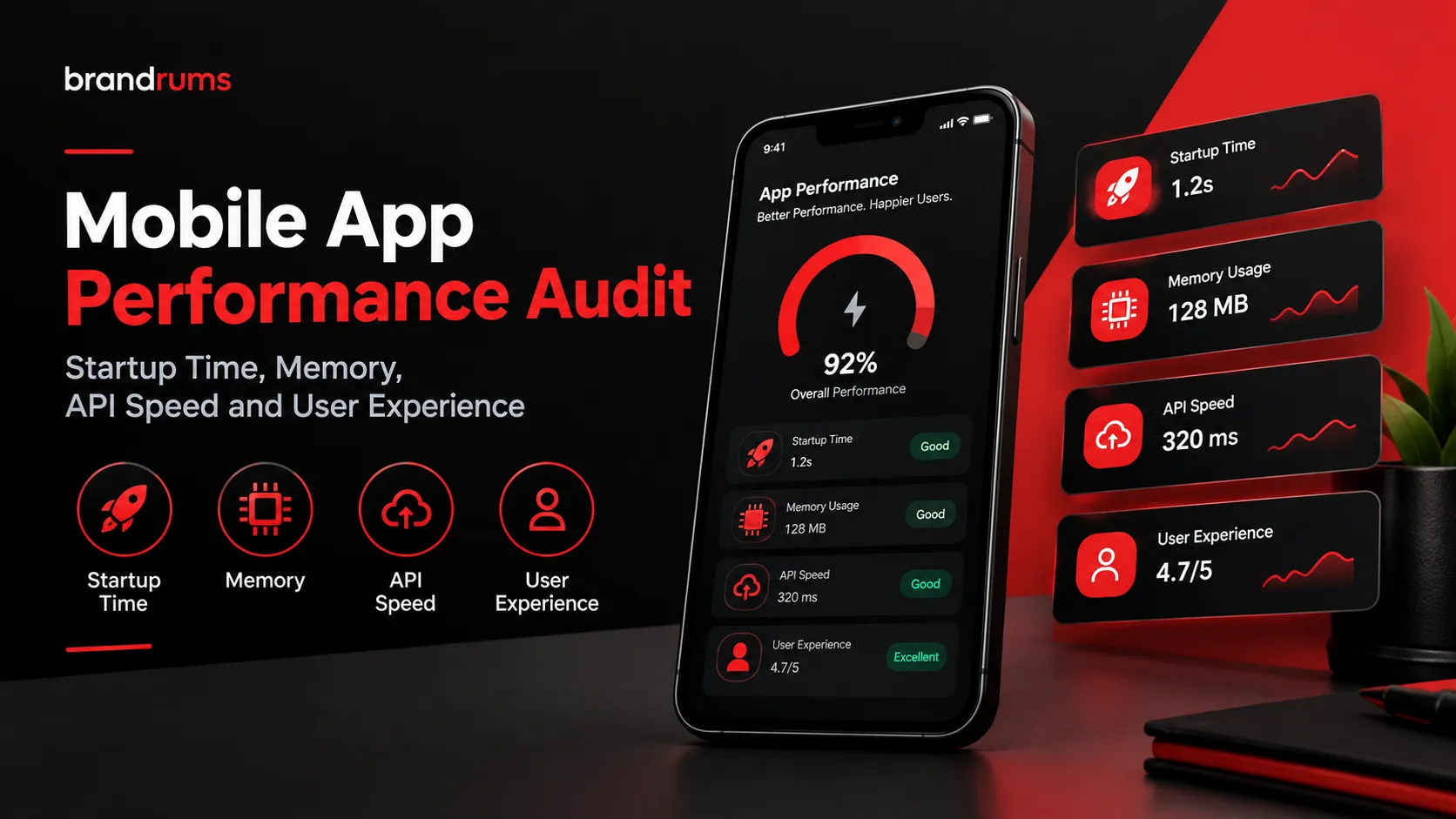
Modernizing a legacy app significantly enhances user experience. Faster load times, smoother interactions, and updated UIs contribute to higher user satisfaction. React Native apps, for instance, provide near-native performance levels, ensuring users enjoy a seamless experience.
Performance improvements aren't just about speed. They also address stability and reliability, minimizing crashes and errors. A modern rebuild ensures that the app can handle user demands efficiently, which is crucial for retaining users and encouraging more engagement over time.
Cost Implications of Rebuilding Apps
Rebuilding a legacy app can require a substantial initial investment, yet it often leads to reduced maintenance costs. Typical US agency rates for a five-screen MVP run $15k to $40k. However, the efficiency and scalability gained through modern technology stacks can offset these expenses over time.
Understanding the cost structure is important. Initial development may seem expensive, but modern frameworks enable significant savings in the long run. Lower maintenance costs and easier updates mean reduced expenses over time compared to continually patching an outdated app.
| Phase | Native Cost Range | Cross-Platform Cost Range |
|---|---|---|
| Initial Development | $50k-$150k | $30k-$100k |
| Maintenance | High | Moderate |
| Updates | Complex | Simpler |
| Long-term Savings | Low | High |
Timeline Considerations for App Rebuilds
The timeline for app modernization depends on several factors, including complexity and technology decisions. A simple cross-platform app can take four to six months. More complex apps requiring advanced features may take up to a year. Planning is critical to ensure timelines meet business goals.
Project phases also influence timelines. From discovery to launch, each stage requires careful consideration. A clear roadmap helps avoid delays and ensures project success. Consideration of team size and expertise can also impact how quickly a project is completed.
- Discovery: two to three weeks of interviews and scoping.
- Design: four to six weeks of UI/UX work.
- Development: three to nine months depending on complexity.
- Testing and Launch: four to eight weeks for QA and deployment.
Security Enhancements in Modern Apps
Rebuilding legacy apps with modern technologies significantly enhances security. Older apps often suffer from outdated encryption standards and vulnerable code, leaving them susceptible to threats. By leveraging frameworks like React Native, developers can integrate contemporary security frameworks and practices.
Modern apps benefit from continuous security updates, supported by robust ecosystems. Features such as biometric authentication, multi-factor authentication, and secure API communication are easier to implement, significantly raising the security bar.
- Data Encryption: Improved encryption algorithms protect sensitive information.
- Authentication: Advanced authentication methods like biometrics are more available.
- API Security: Secure APIs ensure safe data interactions.
Using AI to Enhance Legacy Apps
Artificial Intelligence offers transformative possibilities for legacy app modernization. Integrating AI into revamped apps can enhance user experience by offering personalized content, predictive analytics, and smarter user interactions. For instance, chatbots provide instant support, reducing the need for human intervention.
AI can also optimize internal processes through machine learning algorithms, which can analyze usage patterns and improve app performance. This integration not only modernizes the app but also provides competitive advantages in terms of efficiency and user satisfaction.
Examples of Successful App Modernizations
Several companies have successfully modernized their legacy apps. An example is Starbucks, which revamped its app to improve customer experience and integrate a more sophisticated rewards program. This step led to increased engagement and higher customer retention.
Airbnb also went through a significant app modernization, adopting React Native for a cleaner codebase and more agile development process. The result was a more consistent user experience across platforms and faster feature updates.
- Starbucks: Enhanced customer experience and loyalty through app modernization.
- Airbnb: Consistent cross-platform experience with React Native.
- Walmart: Improved checkout process and reduced load times.
Common Pitfalls to Avoid in App Rebuilding
One of the biggest mistakes in app rebuilding is not adequately defining the project scope. This can lead to scope creep, escalating costs, and missed deadlines. It's essential to outline clear goals, timelines, and budgets before starting.
Another common pitfall is neglecting user feedback during the modernization process. Understanding user needs and pain points helps ensure the new app version delivers true value. Skipping this step can result in a product that fails to meet user expectations.
Scope Creep: Avoid expanding objectives without clear agreements.
User Feedback: Incorporate user insights to guide the redesign.
Resource Allocation: Ensure adequate time and budget for all phases.
Key Takeaways for Decision-Makers
Decision-makers should prioritize modernization not only for a strategic advantage but also for maintaining the app’s relevance and security. Emphasizing user experience and leveraging technologies like AI and cross-platform development can make a difference in success.
Being aware of common pitfalls and ensuring a well-defined project scope can mitigate risks. Regularly revisiting project goals and collaborating with stakeholders will ensure that the modernization aligns with the overall business objectives.
How Brandrums Approaches App Modernization
At Brandrums, our approach to app modernization involves thorough discovery and planning phases. We collaborate closely with stakeholders to align goals and leverage modern technologies like React Native or Flutter. Our focus is on creating scalable, secure, and user-friendly solutions.
By integrating best practices in design and development, Brandrums ensures a seamless transition from legacy systems. From robust backend integrations to intuitive frontend experiences, our team crafts solutions tailored to meet the unique needs of each client.
What to Do Next for Your Legacy App
If you decide to modernize your legacy app, consider reaching out to experienced agencies for guidance. Evaluate your current app’s pain points, gather user feedback, and outline your objectives. This preparatory work will set the foundation for a successful rebuild.
Explore the technologies that best suit your needs, whether it's React Native for cross-platform capabilities or incorporating AI for enhanced functionalities. Partnering with a team like Brandrums can help navigate these choices effectively.
Frequently Asked Questions
Is it more cost-effective to rebuild a legacy app or update it?
Rebuilding a legacy app can be more cost-effective in the long run. Modern technologies reduce maintenance costs and improve scalability. Initial rebuilding costs might be higher, but they prevent ongoing expenses from patching outdated code, which can be costly over time.
How does using React Native benefit legacy app modernization?
React Native offers cross-platform development with a shared codebase. This speeds up development time and reduces costs. Apps built with React Native perform well and provide a consistent user experience on both iOS and Android.
What factors determine the timeline for rebuilding a legacy app?
The timeline depends on the app's complexity, team size, and chosen technology stack. Simplifying the user interface and using cross-platform frameworks like React Native can shorten timelines. A typical project could take anywhere from a few months to a year.
Can an old app's performance improve significantly after modernization?
Yes, modernization can drastically enhance performance. Modern architectures and optimized codebases make apps faster and more responsive. Improved backend integration and efficient resource utilization contribute to these gains.
What are the security benefits of rebuilding a legacy app?
Rebuilding allows integration of modern security practices, like authentication protocols and encryption standards. Keeping up-to-date with security measures is crucial for protecting user data and ensuring compliance with regulations.
Why choose Brandrums for legacy app modernization?
Brandrums offers a comprehensive approach to app modernization. With expertise in React Native, AI, and digital marketing, we ensure your app not only meets current standards but also aligns with future business goals. Our tailored strategies maximize performance and user engagement.
Tags
About the Author

Daniel Brooks
Daniel covers web development, artificial intelligence, product design, and the technology decisions that help modern businesses grow.