Key takeaways
Start your launch plan 90 days out, not the week you ship.
An email waitlist and a tested onboarding flow move the needle more than any ad campaign.
Optimise for cost per retained user, not cost per install.
ASO is months of compounding work, not a pre-launch checkbox.
Day 7 retention is now a ranking signal in both stores.
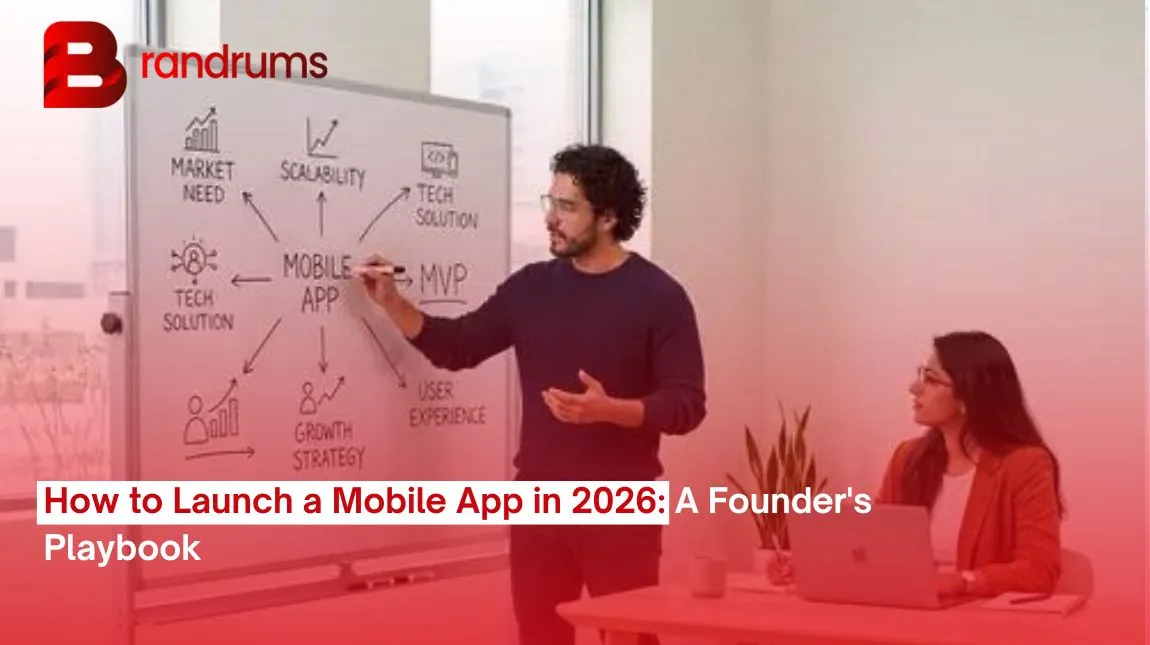
Most app launches don't fail on launch day. They fail in the 90 days before, when founders are still writing code and haven't built a list or a beta cohort proving the app solves a real problem. They ship, watch the install counter tick, then discover Day 30 retention is 4%. The store algorithm sees the same number and quietly stops surfacing them. This is a playbook for shipping a mobile app in 2026, drawing on patterns from our mobile application development work.
A founder's desk with a phone showing an app icon next to a printed 90
The numbers that shape your plan
Global app downloads are projected to clear 324 billion in 2026, which sounds like opportunity but mostly means more noise. Average Day 1 retention sits around 26% with Day 30 closer to 7%. Hit those averages and you've already lost. Apps that survive hit Day 1 above 45% and Day 30 above 15%.
Both stores have shifted ranking weight. Apple and Google now treat retention and engagement depth as first-class ranking signals in 2026. A mediocre product with paid installs no longer ranks. You earn distribution by keeping people, not buying them. If you're still scoping, our guide to designing a startup app covers the product decisions that bake retention in early.
The 90-day pre-launch window
Treat the three months before launch as a separate project. The goal isn't perfect software. It's a warm audience, validated onboarding, and a credible story journalists can write about.
Get specific about who you're for
"Small business owners" is not a target user. "A solo bookkeeper running QuickBooks for 12 service businesses who loses two hours a week reconciling card statements" is. The second produces a landing page that converts at 8%. If your value proposition won't fit in 15 words, you don't have one. For regulated audiences, our notes on fintech apps and healthcare apps show how compliance reshapes acquisition copy.
Launch a landing page the day the app boots
The moment you have a build that doesn't crash, ship a one-page site that captures email. Not a coming-soon splash. A real page with screenshots, a 30-second video, and a clear promise. A list of 2,000 opt-in subscribers will out-convert a $20,000 paid campaign aimed at strangers. Our web design team builds these in days.
Run a real beta, not a friends-and-family beta
You need 100 target users in TestFlight or Google Play internal testing before spending a dollar on paid acquisition. Friends say it's great. Strangers rage-quit at the third screen and tell you why, if you ask. Watch the funnel, not the survey. Most beta programs reshape the first three screens before launch.
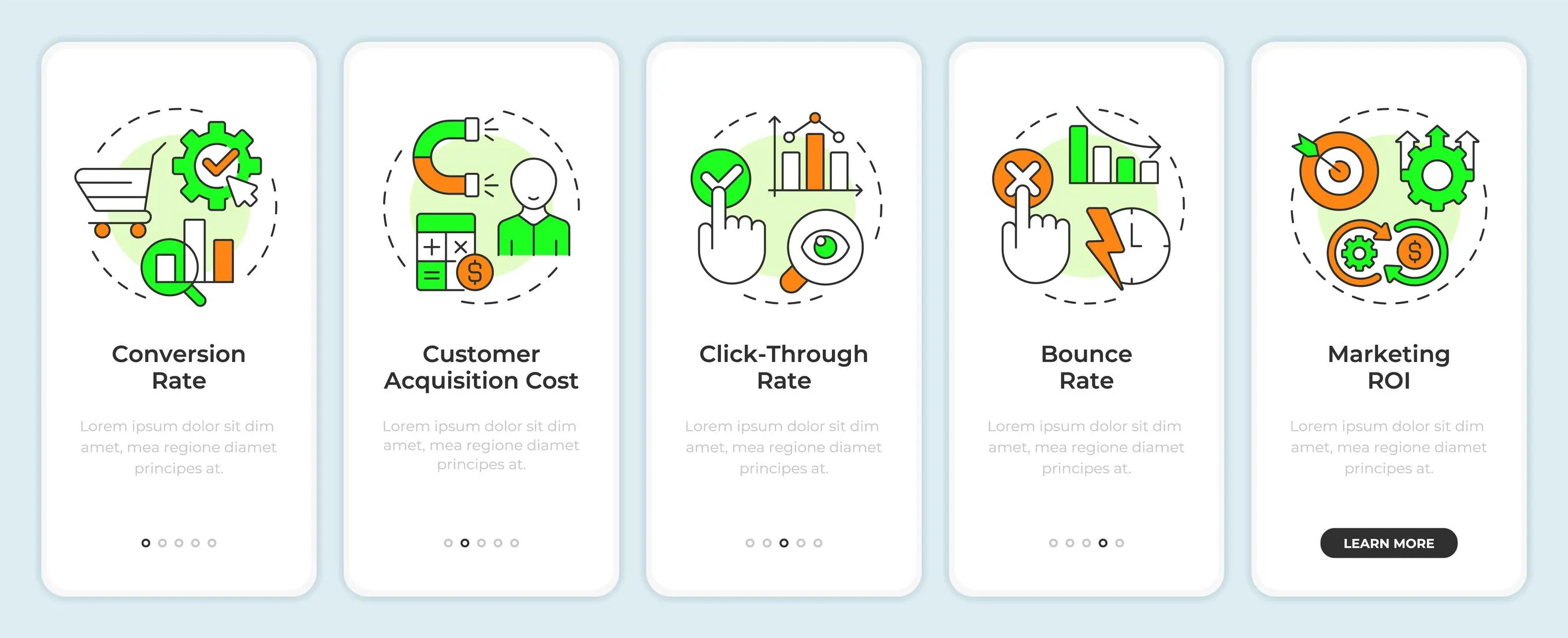
A screenshot mockup of TestFlight with a beta cohort and onboarding funnel chart, placed between the beta and ASO sections
Build an audience in public
You don't need 100,000 followers. You need a few hundred people who care. Build-in-public posts on X and LinkedIn, short TikTok demos, and an honest weekly update beat a polished brand campaign at this stage. Micro-creators with 20,000 to 50,000 engaged followers in your niche move more downloads than a celebrity post nobody trusts. Our social media team runs this content for clients without the bandwidth.
App Store Optimization is not a checkbox
Founders treat ASO like a deliverable: write a title, pick keywords, upload screenshots, done. Apps ranking top ten in competitive categories got there through six to twelve months of weekly listing work and creative testing. ASO drives between 27% and 41% of organic installs, and search is the biggest acquisition channel on iOS.
Metadata that earns its rank
Your app title carries the highest ranking weight, so the primary keyword goes there. The subtitle (iOS) and short description (Google Play) carry secondary keywords. Don't stuff. Apple began OCR-indexing screenshot caption text in 2025, so a phrase on a screenshot can earn a rank you didn't bid for.
Screenshots sell the outcome
Show the result, not the interface. "3 invoices sent in 4 minutes" beats a sterile shot of an empty form. Caption every image. Put the strongest claim in screenshots one and two; most users never scroll past two. Preview videos should land value in the first five seconds; assume sound is off.
Ratings come from delight, not pop-ups
Ask for the rating after the user completes something meaningful, not on first open. A user who just sent their first invoice leaves four stars. The one who saw the pop-up first leaves one.
ASO element | Ranking impact | Conversion impact |
|---|---|---|
App title with primary keyword | Very high | Medium |
Subtitle / short description | High | Medium |
First two screenshots | Low | Very high |
Ratings and reviews | High | Very high |
Update cadence | Medium | Low |
Native versus cross-platform affects how fast you can iterate on listings and crash fixes. Our cross-platform app development notes cover trade-offs, and the mobile app design cost breakdown helps if budget is tight.
Launch week, done with intent
Launch week is theatre with a purpose. Coordinated press, an email blast, and a soft regional launch serve one goal: send the store algorithms a clean signal that real users care on day one.
Press, two to three weeks ahead
Pitch journalists two to three weeks out with an embargo, offering exclusive early access for launch-day coverage. Three pieces hitting the same morning look like a movement; one piece a week later looks like a press release nobody read.
Activate your list with a story
Your launch email is a personal note from the founder, not a press release. Ask for three things in one email: download, review, share.
Soft launch a small market first
Push the app live in Canada, Australia, or New Zealand a week or two before global launch to catch crash rates and onboarding cliffs QA missed. Our mobile app deployment strategy guide covers the release-engineering side.
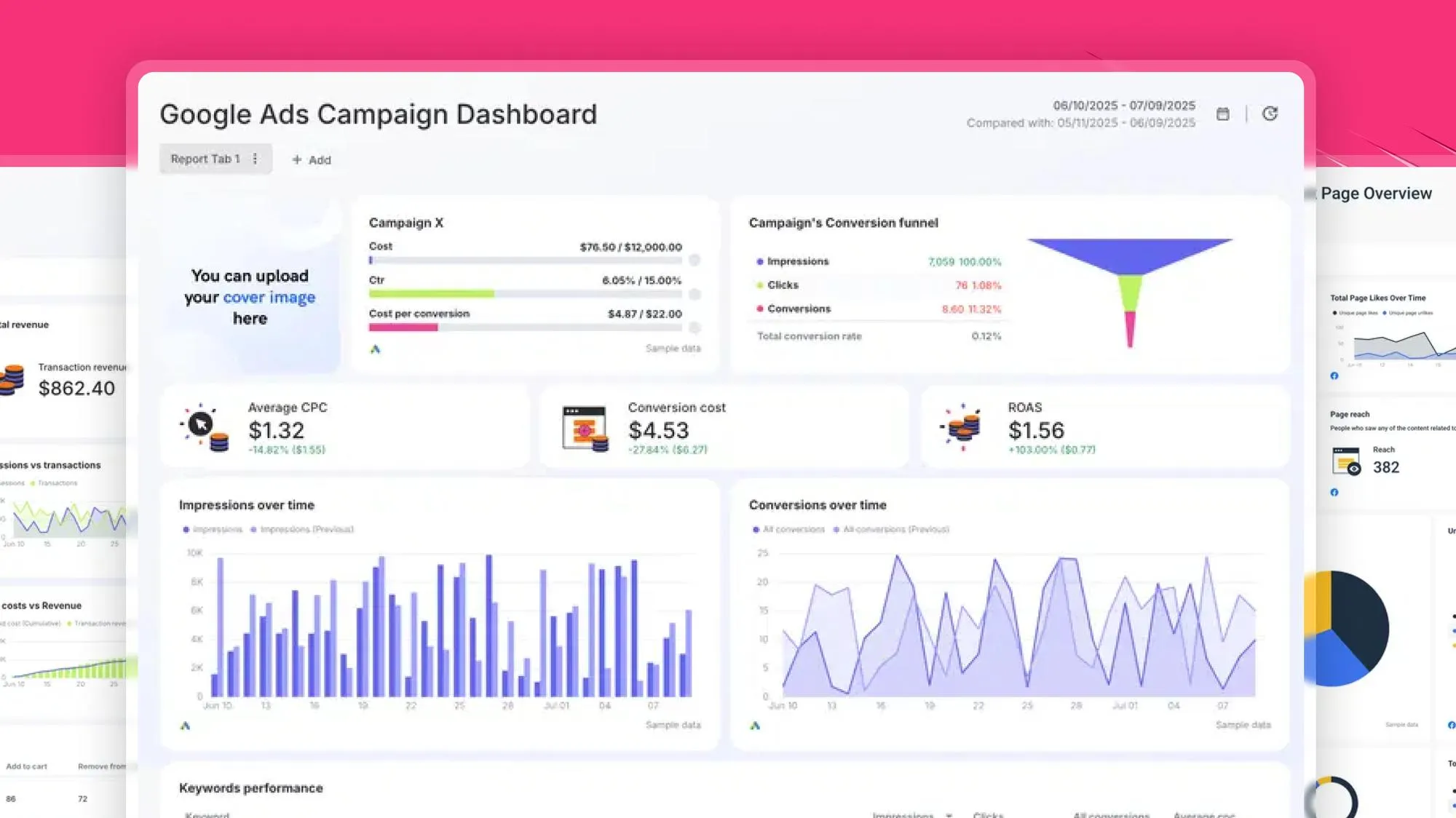
A world map highlighting common soft
Paid acquisition without lighting money on fire
Most app dashboards optimise for cost per install (CPI). Wrong number. If you spend $4 to acquire a user who churns by day seven, you spent $4 to lose a user. The right metric is cost per retained user at Day 30. Channel A delivers installs at a $4 CPI but only 5% retain to Day 30, costing $80 per retained user. Channel B is $6 per install with 15% retention, putting cost per retained user at $40. The cheaper channel is twice as expensive once you measure what matters.
App category | Strongest paid channels | Typical CPI range (USD) |
|---|---|---|
Casual gaming | Meta, Google App Campaigns, ironSource | $1.50 to $3.00 |
Fintech | Apple Search Ads, Google Search | $8.00 to $12.00 |
eCommerce | Meta, TikTok, Google App Campaigns | $6.00 to $10.00 |
Health and fitness | Meta, Apple Search Ads, TikTok | $4.00 to $8.00 |
Productivity | Google Search, Apple Search Ads | $3.00 to $6.00 |
B2B SaaS | LinkedIn, founder content, Apple Search Ads | $15.00+ |
Apple Search Ads is the highest-intent channel for most categories. Creator-led TikTok and YouTube converts well for consumer apps because trust transfers from creator to install. B2B founders should treat LinkedIn thought leadership as user acquisition. Our digital marketing team sets up the tracking and creative pipeline.
Day-one monitoring: what to watch
The first 72 hours will tell you whether your app has a chance. Set up dashboards before the app goes live. Answer five questions without opening a spreadsheet.
What's the install-to-activation rate (users reaching the "aha" moment)?
Where in onboarding are people dropping off?
What's the crash-free session rate, by device and OS?
Which channel is delivering retained users, not just installs?
What does the review feed say in the last 24 hours?
Crash rates correlate with store ranking, so treat any spike above 1% as an incident. Respond to every review in the first week. A founder reply on a one-star review often becomes a three-star edit and a shippable feature request. Our staff augmentation model helps if engineering bandwidth is thin.
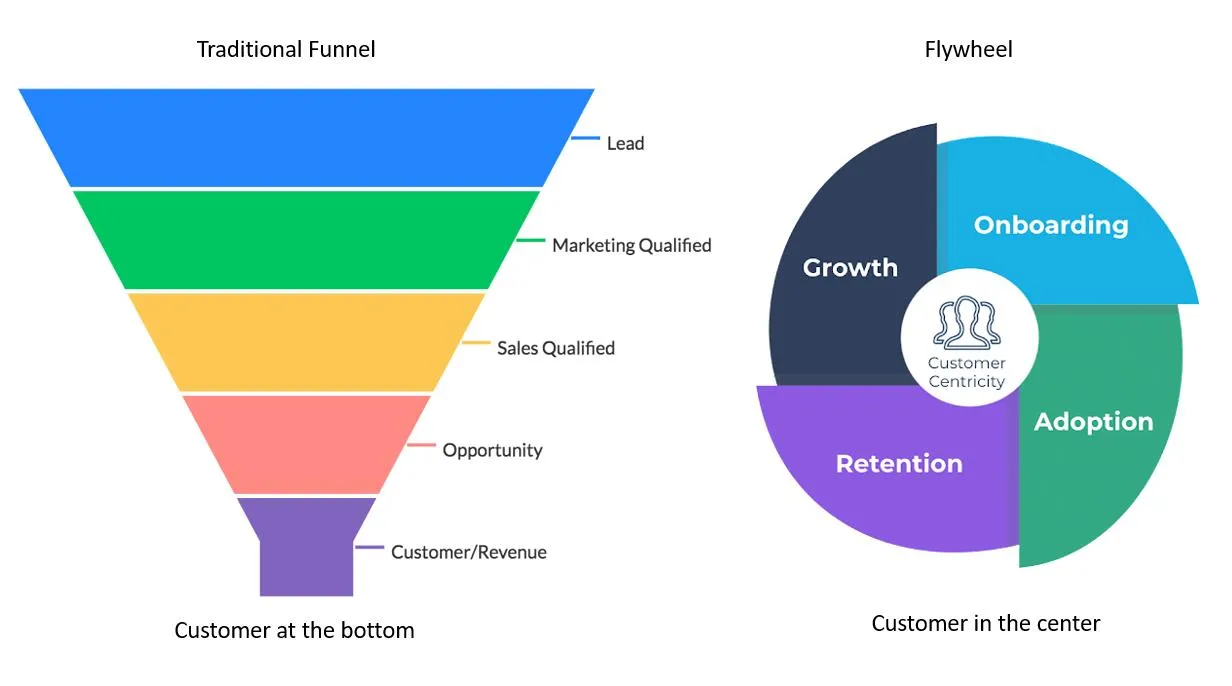
A weekly post
Retention loops are growth loops
Keeping a user is roughly five times cheaper than acquiring one, and stores now reward retention with rank. A feature that lifts Day 7 retention from 22% to 30% is worth more than a 20% drop in CPI. Our web app redesign checklist covers similar engagement work on the desktop side.
The first seven days do most of the work
If a user doesn't see value within 60 seconds, you've likely lost them. Push permission requests, paywalls, and upsells before that moment kill retention. Deliver value first, then ask for permission, then ask for the upgrade.
Habit mechanics beat feature lists
Duolingo's streak isn't a cute design touch. It's the most effective retention mechanic in their app, and it was deliberately engineered. Your equivalent might be a daily insight, a weekly digest, or social comparison. Pick one and build the product around it.
Retention tactic | Best for | Typical impact |
|---|---|---|
Personalised push notifications | Most categories | 30 to 40% lift in re-open rate |
Onboarding progress indicators | Complex apps | 20 to 30% drop in D1 abandonment |
Streaks and achievement systems | Gaming, fitness, education | Material lift in D7 and D30 |
Re-engagement email sequences | eCommerce, SaaS | Recovers 10 to 20% of churned users |
First-session personalisation | Content and commerce | Lifts Day 7 by 5 to 10 points |
Treat retention as a product problem, not a marketing one. Teams that win long-term make retention a quarterly goal for engineering and design.
What to do every week after launch
The next six months decide whether you climb the rankings or fade. Pick a weekly rhythm and keep it.
Refresh one screenshot, keyword, or preview video and measure the conversion lift.
Reply to every review under three stars within 24 hours.
Ship a meaningful update every two to four weeks; each is an editorial featuring opportunity.
Run one cohort analysis per week: which cohort retains best, and why?
Re-test creative on your top paid channel every two weeks.
If your launch is closer to an MVP than a polished product, that's fine. Our MVP versus full product strategy covers when to ship lean and when to wait.
The short version
Start 90 days out with a landing page, real beta, and quiet audience.
Treat ASO as months of compounding work, not a checklist item.
Coordinate press, email, and a soft regional release for clean store signals.
Optimise paid spend for cost per retained user.
Make retention loops the product's growth engine.
FAQ
How long should a 2026 mobile app launch take?
Plan a 90-day pre-launch window, a one to two-week soft launch, and a launch event over a week of coordinated press and email. Then commit to six months of weekly ASO and retention work. Compressing this into a two-week sprint costs you in weak rankings.
Do I need paid ads on launch day?
Not if your retention story isn't ready. Paid acquisition into a leaky product wastes budget and signals weak engagement. Start with your email list, organic press, and creator content. Add paid only when Day 7 retention shows the product holds users.
What's a realistic ASO budget for a small team?
You can run effective ASO in-house with one part-time owner and a $200 to $500 monthly tool budget. Most teams spend more on a single week of paid ads than on twelve months of ASO, which is backwards given ASO compounds.
Should I launch iOS and Android together?
Often no. A single-platform launch is easier to support and gives cleaner data. Many clients launch iOS first because Apple Search Ads gives a strong intent channel from day one, then bring Android online four to eight weeks later.
How do I measure whether my launch worked?
The real metrics are Day 1, Day 7, and Day 30 retention, your DAU to MAU ratio (above 20% suggests habit formation), and cost per retained user by channel. A launch with 50,000 installs and 4% Day 30 retention is a failed launch dressed up.
What's the single biggest mistake founders make?
They optimise the launch event and ignore the seven days after. The first week's retention curve is what store algorithms use to set your organic distribution for the next quarter. If it's flat, no marketing will fix it.
Where to go from here
Ninety days out, the highest-impact moves are a landing page, a 100-user beta, and a draft store listing you iterate on weekly. If you've shipped and numbers are flat, start with a cohort analysis and ASO audit before spending another dollar on ads. Tell us where you are and we'll point you at the work that moves the numbers, or browse our launch and growth packages.
Tags
About the Author

Daniel Brooks
Daniel covers web development, artificial intelligence, product design, and the technology decisions that help modern businesses grow.